2024年11月28日
Enhancing User Experience: The Importance of Cross-Border UI Design
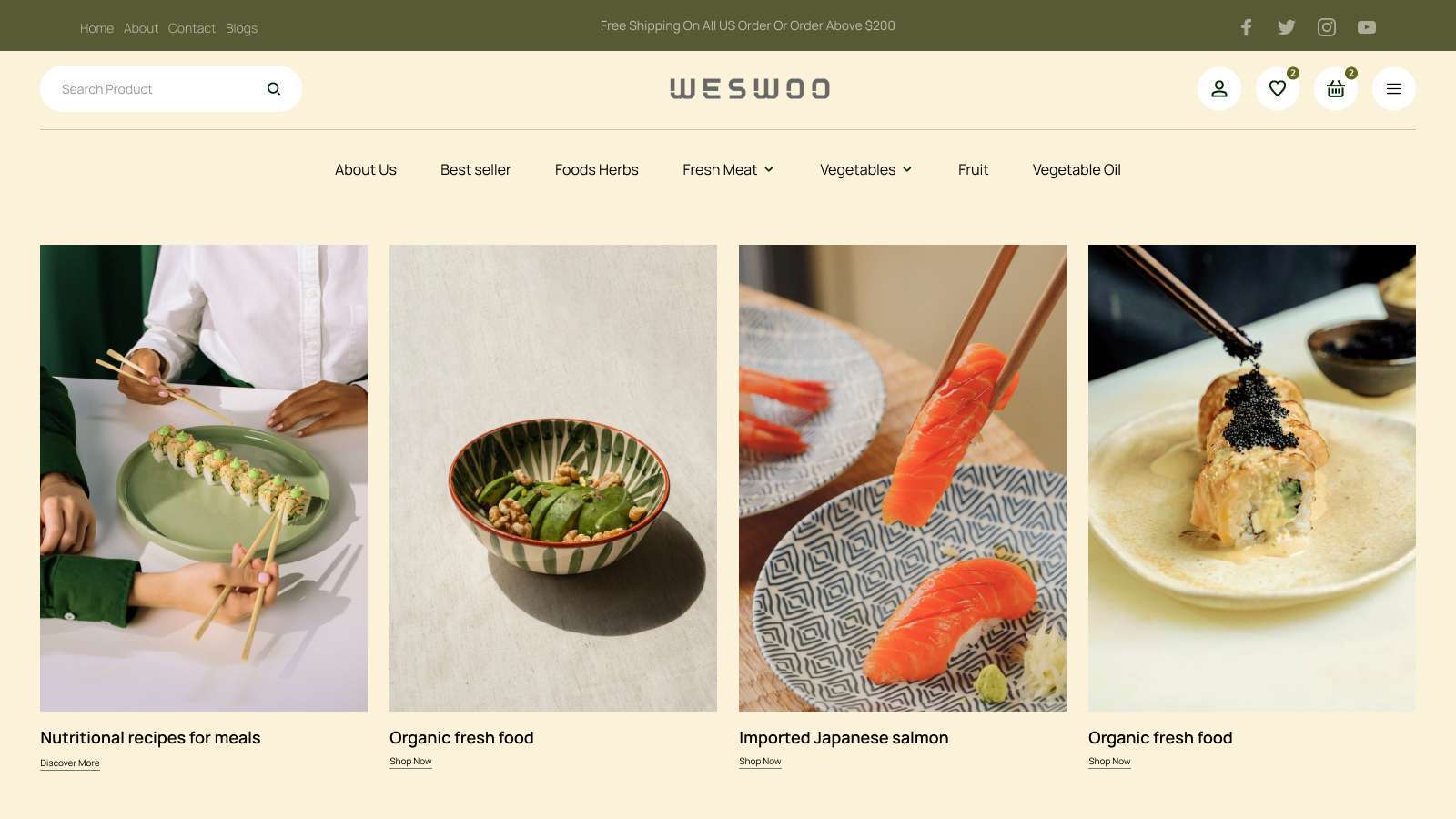
优化用户体验:跨境UI设计的关键要素
在全球化迅速发展的今天,跨境电商、数字产品和服务的使用已成为一种常态。在这个背景下,用户体验(UX)成为了品牌竞争中的一项重要指标。而UI设计(用户界面设计)作为提升用户体验的重要一环,在跨境业务中尤为关键。本文将深入探讨跨境UI设计的重要性及其最佳实践,为企业在全球市场中提供强有力的支持。
I. What is cross-border UI design?
Cross-border UI design refers to the design of user interfaces for users in different markets around the world that take into account the influence of different cultures, languages and customs. It's not just about simple language translation or styling adjustments, it's about understanding the needs and preferences of users in each region to ensure a smooth and enjoyable experience for users in different countries and regions.
The Importance of User Experience and UI Design
1. Key factors influencing user behavior
The success of a cross-border business often depends on the user's experience when visiting a website or app. Studies have shown that user satisfaction and retention are largely influenced by UI design. Good UI design enables users to quickly find the information they need, which in turn improves conversion rates and increases sales opportunities.
2. Building a brand image
Cross-border UI design is the "face" of a brand in the international market, and the first impression of users often comes from the interface design. An internationalized and easy-to-use interface can enhance the credibility of a brand, thus increasing users' trust and loyalty.
3. Adapting to different cultures
There are significant differences in culture, habits, and aesthetic concepts across countries and regions. A successful cross-border UI design must take these cultural differences into account in order to better resonate with target users and avoid triggering cultural misunderstandings or conflicts.
III. Key elements in cross-border UI design
1. Language and localization
In cross-border UI design, language is not just a literal translation, but also includes considerations of context, customs and regional characteristics. Designers must ensure that users get the same smooth experience when using different language versions of the interface. This often requires working with a professional translation team to keep the details in check, as well as making localized adaptations, such as adjusting date formats, currency symbols, and so on.
2. Visual design and layout
Visual design is the most intuitive part of UI design. Users in different regions have different preferences for colors, typography, icons and overall layout. Designers must conduct in-depth research on the aesthetics of the target market and avoid using design elements that may cause misunderstanding or discomfort. In addition, a clear and simple layout and navigation is crucial, and users should be able to find the information they need easily.
3. User behavior
Users in different countries may have very different behaviors when using technology products. For example, users in certain regions prefer to click rather than swipe, so this needs to be taken into account when designing interactions. User behavior data can be obtained through user research and testing, and this data is essential for improving and optimizing UI design.
4. Responsive design
With the popularity of mobile internet, users access websites and applications on a variety of devices. Responsive design ensures that the interface maintains a good display and operating experience no matter what device the user is using. Designers need to focus on the flexibility of the design so that it remains consistent across different screen sizes and resolutions.
5. Loading speed
Globally, users are increasingly demanding the loading speed of websites or applications. Optimizing UI design to improve loading speed is an important part of enhancing user experience. By reducing page elements, optimizing image sizes, using efficient code, and other technical means, you can ensure a smooth user browsing experience and reduce bounce rates.
IV. Best Practices in Cross-Border UI Design
1. Market research
Before conducting cross-border UI design, make sure to conduct exhaustive market research. Understanding the user habits, cultural background, and competitors' strategies in the target market can effectively improve the success rate of the design.
2. User testing
After the design is complete, user testing can help identify design flaws and user experience obstacles in a timely manner. Feedback is used to iterate and optimize the design to ensure that the final version provides the best experience for users.
3. Obtaining diversified feedback
Gather feedback from users in different countries and regions in order to understand their perceptions of the design and their experiences with it. Diverse feedback helps the design team to more fully identify problems and address them.
4. Continuous optimization
UI design is a long-term process. The operations team needs to continuously optimize the design to adapt to market changes based on user usage and feedback. For example, certain functions or layouts of the interface may need to be continuously adjusted as user needs change.
summarize
Cross-border UI design plays a crucial role in the success of global markets. By gaining a deep understanding of user needs in target markets, adopting scientific design methods, and ensuring consistency in user experience, organizations can effectively improve user satisfaction and brand competitiveness. In this era of rapid digitalization, paying attention to cross-border UI design is undoubtedly an important part of business strategy development.
Related: 1. Cross-border UI design: the new key to the global marketplace
Cross-border UI design in the globalization perspective: opening a new chapter in the market Under the wave of digitalization and globalization, cross-border UI (user interface) design has become the key for many enterprises to enter the international market. A good UI design not only enhances the user experience, but also conveys brand values across different cultures and markets. In this article, we will delve into the importance of cross-border UI design, best practices...
 English
  简体中文
简体中文  日本語
日本語  香港中文
香港中文  Deutsch
  繁體中文
繁體中文